
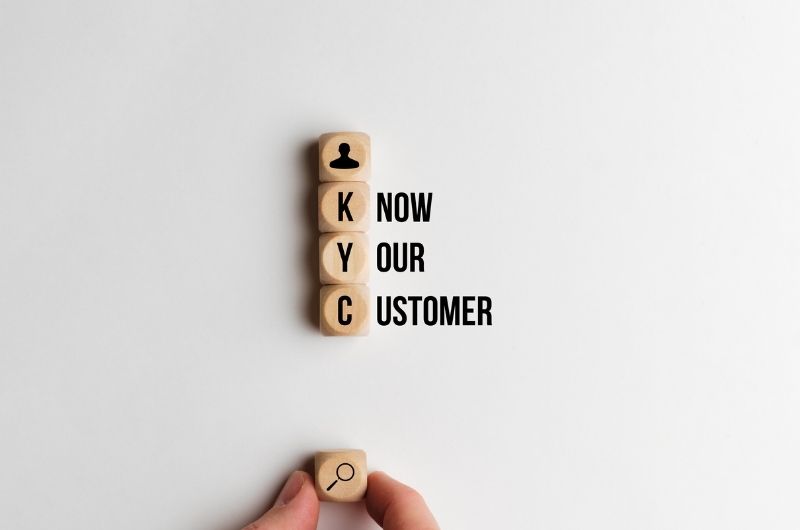
In the bustling financial hub of Hong Kong, where international transactions flow seamlessly and businesses thrive, compliance with regulatory requirements is non-negotiable. Two crucial components in this regard are kyc hk (Know Your Customer) and aml services (Anti-Money Laundering services). These aren’t just bureaucratic boxes to tick; they are the cornerstones of a secure and transparent financial ecosystem. Whether you’re a startup, a mid-sized enterprise, or a large corporation operating in Hong Kong, understanding and implementing robust kyc hk and aml services is vital for your business’s success and sustainability.
The Imperative of kyc hk in Hong Kong’s Business Realm
kyc hk has emerged as a fundamental practice for businesses across all sectors in Hong Kong. At its core, KYC involves verifying the identity of customers, assessing their risk profiles, and understanding the nature of their business relationships. Financial institutions, from banks to fintech startups, rely heavily on kyc hk to prevent fraud, money laundering, and terrorist financing.
For instance, when a company in Hong Kong opens a corporate bank account, the bank initiates a comprehensive kyc hk process. This includes collecting detailed information about the company’s directors, shareholders, and beneficial owners. By thoroughly vetting clients through kyc hk procedures, banks can ensure they aren’t inadvertently facilitating illegal activities. Moreover, kyc hk helps in building trust between businesses and their customers. When clients know that a company adheres to strict identity verification standards, they feel more secure in their transactions.
Key Elements of an Effective kyc hk Process
An effective kyc hk process encompasses several key elements. Firstly, identity verification is paramount. This involves checking government-issued identification documents, such as passports and identity cards, to confirm the customer’s identity. In addition, address verification is crucial to ensure that the customer’s location is legitimate.
Risk assessment is another integral part of kyc hk. Businesses in Hong Kong need to evaluate the risk level associated with each customer. High-risk customers, such as those involved in international trade or high-value transactions, may require more in-depth due diligence. By continuously monitoring and updating customer information as part of the kyc hk process, companies can stay ahead of potential risks and regulatory changes.
aml services: The Shield Against Financial Crimes
aml services play a pivotal role in Hong Kong’s financial landscape, acting as a shield against various financial crimes. Money laundering, in particular, poses a significant threat to the integrity of the financial system. aml services in Hong Kong are designed to detect, prevent, and report suspicious transactions that may be linked to money laundering or terrorist financing activities.
Financial institutions in Hong Kong are required by law to implement robust aml services. This includes establishing transaction monitoring systems that can identify unusual patterns of activity. For example, if a customer suddenly makes a large, out-of-the-ordinary transaction that doesn’t align with their typical behavior, the AML system will flag it for further investigation. Through effective aml services, Hong Kong maintains its reputation as a reliable and secure financial center.
Components of Comprehensive aml services
Comprehensive aml services in Hong Kong consist of multiple components. Transaction monitoring, as mentioned earlier, is a key aspect. Using advanced algorithms and data analytics, financial institutions can sift through vast amounts of transaction data to spot anomalies. Customer due diligence also forms an essential part of aml services, ensuring that the source of funds and the nature of transactions are legitimate.
Furthermore, reporting obligations are a critical component of aml services. When suspicious transactions are identified, financial institutions are required to file reports with the relevant regulatory authorities in Hong Kong promptly. This collaborative effort between businesses and regulators helps in effectively combating financial crimes.
The Synergy Between kyc hk and aml services
kyc hk and aml services in Hong Kong are not isolated practices; they work in tandem to create a strong defense against financial risks. A well-executed kyc hk process provides the foundation for effective aml services. By accurately identifying customers and understanding their risk profiles through kyc hk, businesses can better detect and prevent money laundering activities.
Conversely, aml services enhance the effectiveness of kyc hk. The insights gained from transaction monitoring and suspicious activity reports can prompt businesses to re-evaluate and update their kyc hk procedures. This symbiotic relationship ensures that Hong Kong’s financial ecosystem remains secure and compliant with international standards.
Choosing the Right kyc hk and aml services in Hong Kong
With numerous service providers offering kyc hk and aml services in Hong Kong, choosing the right one can be challenging. Businesses should look for providers with a proven track record in the local market. Providers who understand Hong Kong’s regulatory landscape and have experience working with companies of similar sizes and industries are often the best fit.
Cost is also a consideration, but it shouldn’t be the sole determining factor. Instead, focus on the value that the kyc hk and aml services bring. This includes the quality of data analytics, the level of customer support, and the ability to adapt to changing regulatory requirements. Reading client testimonials and seeking recommendations from industry peers can help in making an informed decision.
Conclusion
In conclusion, kyc hk and aml services are indispensable for businesses operating in Hong Kong. By prioritizing these practices, companies can safeguard themselves against financial risks, maintain regulatory compliance, and build a reputation for trust and reliability in the dynamic financial landscape of Hong Kong.